
Intuition & Awareness
Attunement and Its Importance in Relationships
Attunement is essential for meaningful connections, allowing individuals to understand...









Martial arts offer more than just physical benefits; they can enhance cognitive function and emotional well-being. Research indicates that practices like karate and tai chi improve attention, reduce aggression, manage stress, and boost memory. These findings highlight the diverse advantages of engaging in martial arts, making it a valuable activity for people of all ages.
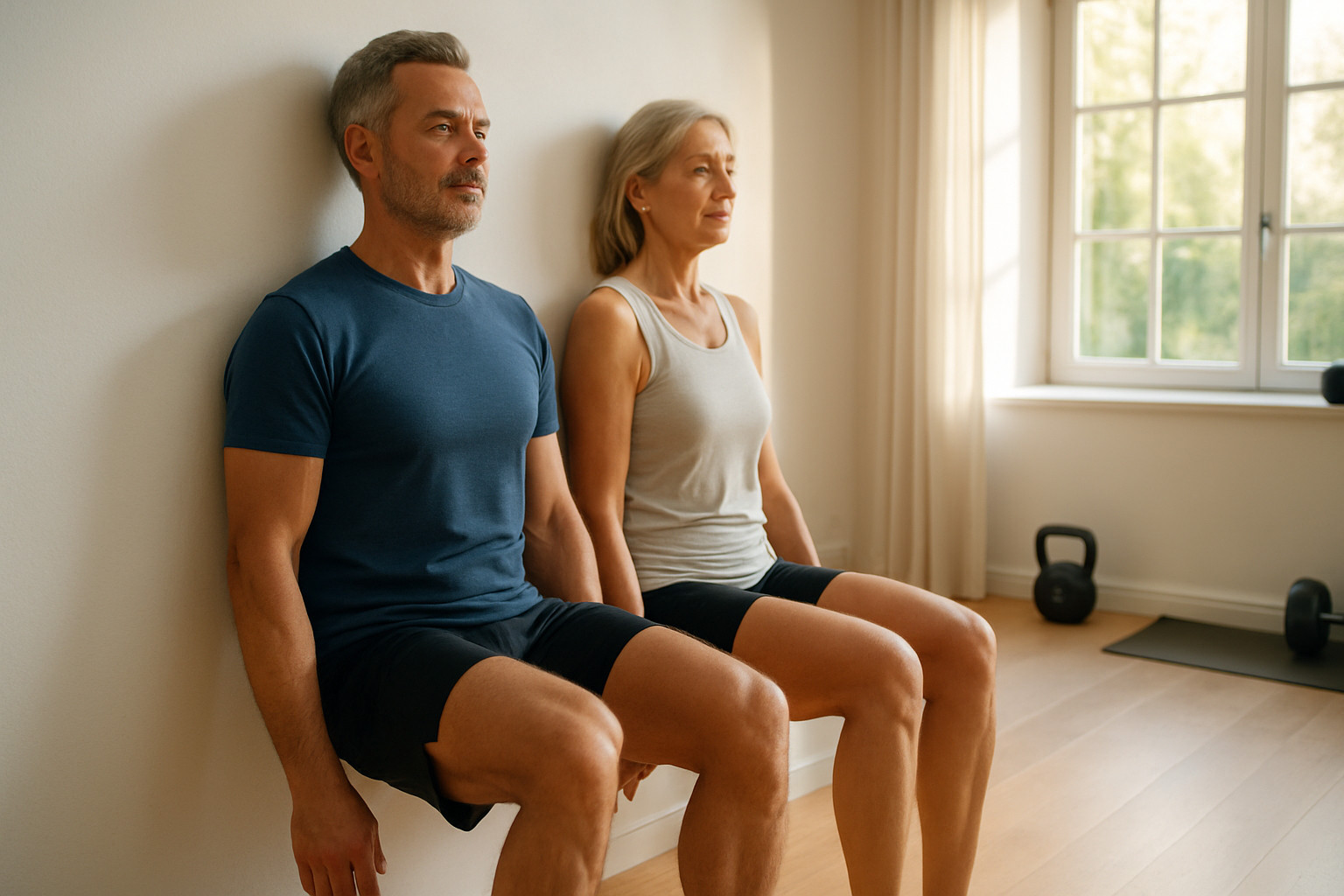
Most people chase movement in their fitness routines, but some of the most powerful gains in strength and longevity come from staying perfectly still. Isometric exercises, where muscles contract without changing length, have quietly accumulated decades of research suggesting they may be among the most efficient tools for extending both health span and life span. Understanding why they work requires looking at how the body actually responds to tension, pressure, and time.
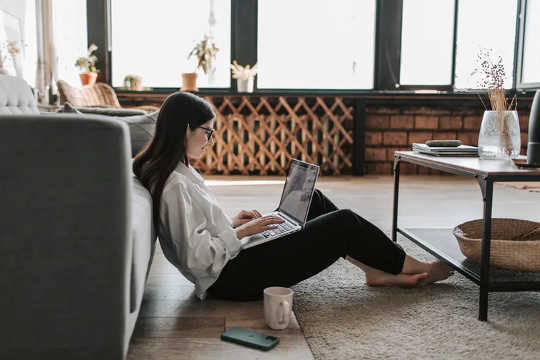
Sitting on the floor has been a natural resting position for humans throughout history, offering potential health benefits like improved posture and flexibility. While scientific evidence is limited, many health professionals advocate for floor sitting as an alternative to conventional chairs, suggesting it may help alleviate lower back pain and maintain spinal curvature.
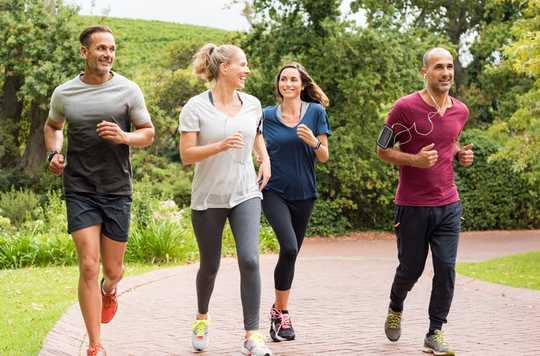
Engaging in group exercise can significantly enhance mental well-being, especially among young individuals. Research indicates that those participating in team sports or informal fitness groups experience better mental health compared to those who exercise alone. The motivation behind exercising and the social connections formed during these activities are crucial for mental health improvements.

Most fitness advice hands you a universal prescription as if every human body runs on the same clock. The inconvenient fact is that the science of exercise timing is far more nuanced than morning-workout evangelists or late-night gym devotees will admit. Understanding when your body is actually primed to move could be the missing variable in every fitness plateau you have ever hit.

With only 21% of boys and 16% of girls in England meeting physical activity recommendations, parents face challenges in getting children away from screens and outdoors. Research highlights barriers such as screen time and busy family lifestyles. Discover strategies to promote active habits, including setting screen limits and being a role model for fitness.
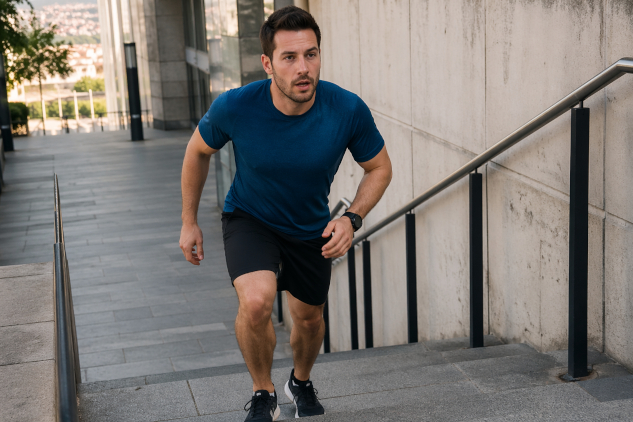
Turns out the human body comes with its own insurance policy against eight major diseases. The premium? A few minutes of huffing and puffing each day.

New guidelines recommend that office workers spend at least two hours standing or moving during their workday to mitigate health risks associated with prolonged sitting. These recommendations emphasize the importance of breaking up sedentary time and offer strategies for employers to create a healthier workplace culture.

Cultivating self-love through body care is essential for personal growth and well-being. By listening to the body's needs, practicing healthy habits, and fostering a positive self-image, individuals can enhance their connection with themselves. Embracing self-care routines, such as journaling and mindful movement, can lead to a more fulfilling and joyful life.

Ever feel like your fitness tracker is watching you a little too closely? You’re not alone. Those blinking lights and vibration nudges can feel like helpful reminders—or nagging digital guilt trips. But like most things in life, the truth about fitness trackers lives in the gray area. Sometimes they’re your best ally, and sometimes they quietly chip away at your peace of mind. So how do you know when they’re helping and when they’re hurting?

Most of us don’t think twice about sitting. It's how we work, relax, and even socialize. But what if that comfy chair is quietly chipping away at your well-being? And more importantly, what can you do if you're too tired, overwhelmed, or physically limited to move much? Let’s talk honestly about the health hazards of sitting too much—and how even the lazy or infirmed can push back with kindness, not guilt.

Brisk walking is emerging as one of the most powerful tools for health and longevity. Studies show it reduces heart disease risk, slows biological aging, and may even outperform traditional markers like cholesterol. Just 10 minutes a day can make a profound difference. In a world obsessed with miracle cures, maybe the real elixir of life is right beneath our feet.

If standing up from a chair feels harder than it used to, it might be telling you something important—something deeper than just “getting older.” Sitting difficulty isn’t just a minor inconvenience; it’s a flashing warning light about your health mobility, and ignoring it could have serious consequences. The good news? Early action can change the story.

Your skin has a natural ability to heal and renew itself—if you give it what it needs. Taoist wisdom reveals how breathwork, movement, and relaxation can restore your skin’s glowing health. Learn how to recharge your body’s “biobatteries” and cultivate lasting vitality for youthful, radiant skin.

Daily walking is one of the easiest and most effective ways to improve your health. Learn how incorporating walking - even just 30 minutes a day - into your routine can transform your health, with evidence-based insights from neuroscience, cardiovascular research, and more. Walking isn’t just exercise—it’s a step toward a healthier, longer life.

Light exercise can significantly boost cognitive health, improving processing speed and reversing years of aging effects. Learn how daily movement benefits the brain.

Explore the transformative power of walking with holistic techniques that connect you deeply with the Earth. Learn how mindful walking can spread your feet, massage your feet and the ground, and enhance your overall well-being. Embrace walking as if your feet are truly kissing the Earth.

The connection between genetics and weight loss is more important than you might think. A new study reveals how genetic variations impact exercise results and weight loss.

Thinking about getting an electric bike? Learn the pros and cons to find out if an electric bike is right for you. Discover the benefits of reduced carbon emissions, community connection, and cost savings, as well as potential safety challenges and environmental impacts.

What are compound exercises and why are they good for you?

I want to note that fat is not a bad word. Fat activists and leaders of the body positive movement all over the world are working hard to reclaim this word. When I say, “My mother is fat,” I’m not insulting her. I’m offering a descriptive word to help illustrate my point.
Attunement is essential for meaningful connections, allowing individuals to understand...

Many people believe that changing jobs, partners, or locations will resolve their...

We are the only species on Earth that buys books about how to raise our young. Every...

For weeks, Venus in Virgo has refined your values, boundaries, and priorities. Now it...

What if the way you think is quietly shaping the experiences you have every day? Through...

The pervasive belief in inherent unworthiness shapes self-perception and societal...
A recent study reveals stark racial differences in why young adults continue to live...

As the costs of assisted living and nursing homes soar, many individuals seek to age in...