










Life Changes
Healing Through Storytelling: Lessons from The Odyssey
The journey of Odysseus in Homer's 'The Odyssey' offers profound insights into healing...


Understanding violence and its impact on society requires looking beyond simplistic explanations and confronting uncomfortable truths about what truly drives harm in our communities. This groundbreaking analysis challenges widely held assumptions about criminal behavior and public safety, offering readers a transformative lens through which to examine one of society's most pressing concerns. Rather than accepting conventional wisdom about lawbreaking and social disorder, this work invites thoughtful individuals to reconsider what actually threatens community wellbeing and personal security.
At its core, this examination reveals a crucial distinction that reshapes our entire understanding of public safety: not all unlawful acts pose equal threats to human life and dignity. Through careful analysis of comparative data across different nations and societies, readers discover that the fundamental challenge facing communities isn't the overall rate of property crimes or even most criminal activity, but rather the lethal violence that destroys lives and devastates families. This insight carries profound implications for anyone seeking to understand social dynamics, contribute to community healing, or engage in meaningful dialogue about creating safer environments.
For readers committed to personal growth and social consciousness, this perspective offers liberation from fear-based thinking that often dominates public discourse. By examining patterns across cultures and nations, the analysis demonstrates that societies with similar levels of property crime can experience vastly different rates of lethal violence. This revelation empowers individuals to think more clearly about risk, safety, and the true nature of threats in their environment. Rather than living in generalized anxiety about lawlessness, conscious individuals can direct their concern and energy toward the specific forms of harm that actually endanger lives.
Read more ▼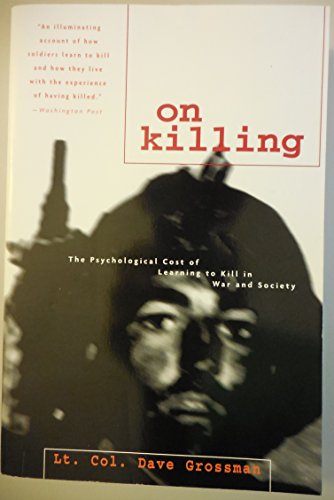
Dave Grossman, Dave Grossman, Lt Grossman
Harbhajan Singh Kalsa

Amy Wong
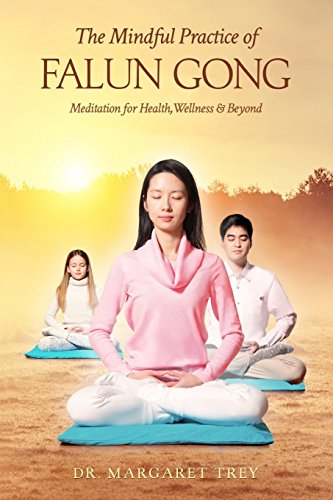
The Mindful Practice of Falun Gong
Margaret Trey
The journey of Odysseus in Homer's 'The Odyssey' offers profound insights into healing...

Fostering a legacy of joy empowers individuals to inspire authentic self-expression in...

Junk emotions like anxiety, anger, and jealousy can hinder personal well-being and...

Awareness meditation shifts focus from traditional breath techniques to observing...

The exploration of precognitive dreaming reveals a profound interconnectedness within...

Negative moods can linger and affect overall well-being, but identifying their triggers...

A rare celestial formation is quietly reshaping the foundations of everything we know —...

You don't need a week in silence at a mountain retreat to feel spiritually alive again....