








Life Changes
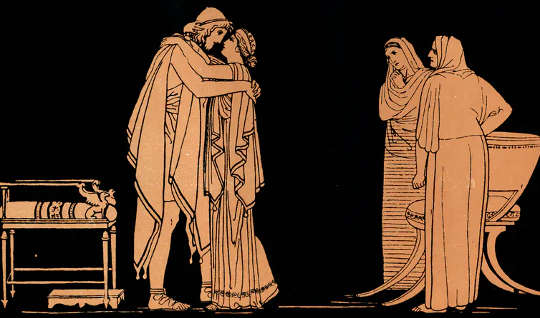
Healing Through Storytelling: Lessons from The Odyssey
The journey of Odysseus in Homer's 'The Odyssey' offers profound insights into healing...

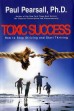
Modern society celebrates busyness, achievement, and relentless productivity as badges of honor. We're taught that success means climbing higher, earning more, and doing it all faster than everyone else. But what if this cultural obsession with conventional success is actually making us sick, destroying our relationships, and stealing our capacity for joy? What if the very achievements we're killing ourselves to attain are preventing us from experiencing the richness and meaning that make life worth living?
This groundbreaking work challenges the fundamental assumptions underlying contemporary definitions of success and achievement. Drawing on decades of clinical experience, extensive research, and compelling real-life stories, it exposes how our addiction to doing, having, and becoming more is creating an epidemic of physical illness, emotional emptiness, and spiritual bankruptcy. The premise is both provocative and profound: many people who appear most successful by society's standards are actually suffering from a toxic syndrome that manifests in stress-related illness, broken families, and a pervasive sense that despite all their accomplishments, something essential is missing.
The exploration begins by identifying the key characteristics of toxic success syndrome, including time urgency, self-centered focus, competitive drive, and an inability to truly rest or be present. These traits, while often rewarded in corporate culture and celebrated in popular media, create a biochemical cascade in the body that leads to compromised immune function, cardiovascular disease, and accelerated aging. Beyond the physical toll, toxic success destroys the very relationships and connections that research consistently identifies as the true source of human happiness and wellbeing.
Read more ▼
The Prosperity Bible: The Greatest Writings of All Time on the Secrets to Wealth and Prosperity
Napoleon Hill, Benjamin Franklin, James Allen, Wallace D. Wattles, Ernest Holmes
Marilyn Waring
The journey of Odysseus in Homer's 'The Odyssey' offers profound insights into healing...

Negative moods can linger and affect overall well-being, but identifying their triggers...

A rare celestial formation is quietly reshaping the foundations of everything we know —...

You don't need a week in silence at a mountain retreat to feel spiritually alive again....
Recent research reveals that social power can amplify the toxic aspects of narcissism,...

Mastering four simple rules can transform communication in personal and professional...

The inner child represents a vital part of our emotional self, often overlooked in...

Worrying about loved ones can sometimes be counterproductive, reinforcing fears rather...